Swimming pools and ISA's | Insights from the experts
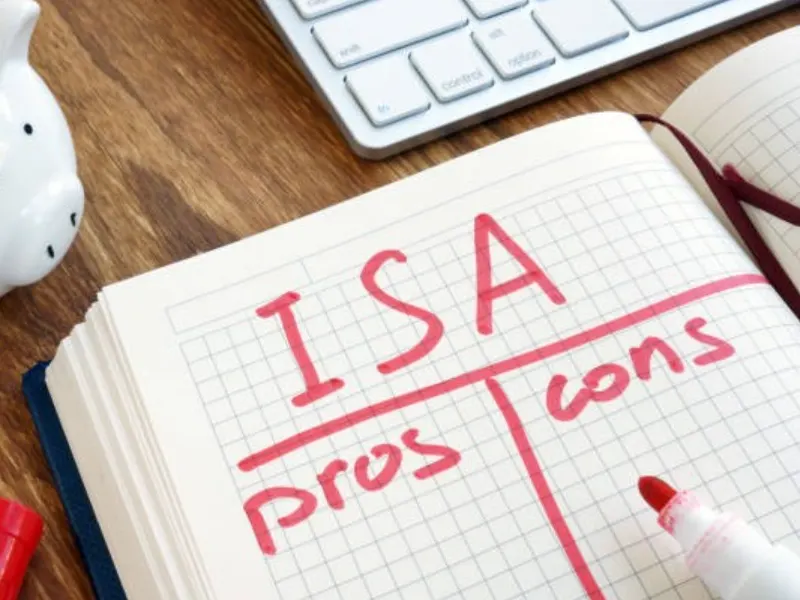
This has nothing at all to do with swimming but ISA’s are important and I think people have become so accustomed to them that it's simple to forget the tax advantages that make these accounts so alluring in the first place.
In addition, as the Exchequer looks to balance its books by raising tax revenue, a number of tax allowances have been cut in recent years, which makes ISAs more valuable than ever. Here's a brief recap of the fundamental tax reliefs offered on ISA’s with the end of the 2026/27 tax year approaching on 5 April 2027. This information should help you choose the best option to protect your money.
At a glance
- ISA allowance 2026/27
- £20,000
- CGT allowance
- £3,000
- Tax year ends
- 5 April 2027
Stocks and Shares ISA’s
Investors can avoid paying capital gains tax and income tax on dividends or interest received from stocks or other investments they own by using a Stocks and Shares ISA. The government is reducing the amount of profits and dividends you may earn without paying tax; therefore, these investment accounts will become even more important for investors.
The tax-free dividend allowance has been cut sharply in recent years and now stands at just £500. Dividends that are received in excess of this allowance are subject to tax at rates of 8.75% for basic rate taxpayers, 33.75% for higher rate taxpayers, and 39.35% for additional rate taxpayers. So, protecting dividends from tax is more important than ever.
Tax on capital gains operates similarly. For the 2026/27 tax year, the capital gains tax annual exempt amount is £3,000, having fallen from £12,300 just a few years ago. This means you are permitted to make gains up to this amount each year without being subject to capital gains tax. Gains over this threshold on the sale of residential property are taxed at a rate of 18% for basic rate taxpayers and 24% for higher rate taxpayers.
In addition to saving, your money, shielding your profits from capital gains tax in an ISA can spare you from completing capital gains tax calculations for your tax return, which can be complicated.
CASH ISA
You can get your interest from cash tax-free if you have a Cash ISA. The personal savings allowance allows higher rate taxpayers to receive £500 and basic rate taxpayers to receive £1,000 year tax-free.
Some have begun to wonder if Cash ISA’s are really such a no-brainer for savers, given that the savings rate on ISAs is frequently lower than that on standard savings accounts. It really depends on how much of a tax break you're receiving and how much better of a rate you may find outside of an ISA.
For instance, additional rate taxpayers do not receive a personal savings allowance and must pay 45% tax on their interest on savings. So, there would need to be a sizable difference in interest rates between Cash ISA’s and savings accounts for additional rate taxpayers to object to the tax shelter's advantages. With the additional-rate threshold now set at £125,140, more people have been drawn into this tax bracket. Conversely, a basic rate taxpayer who saves a small amount may not discover a tax benefit in holding money in an ISA due to the personal savings allowance and may instead choose the best rate.
One change worth planning for: from April 2027, the Government intends to reduce the amount of the overall ISA allowance that can be paid into a Cash ISA for savers under 65, although the overall £20,000 allowance is expected to stay the same.
Investors should also think about their liquidity needs and whether they could be better off putting their longer-term funds into the stock market. Three to six months' worth of expenses should be kept in cash, and the remaining funds should be invested in the market to seek out larger long-term returns, but at greater risk.
Lifetime ISA’s
Now we are in a completely different pool all together, but useful, nonetheless. I introduce you to the Lifetime ISA.
These accounts can be used to save money for retirement or a deposit on a home. Anyone over the age of 18 but under the age of 40 can open them, and once they're open, you can inject up to £4,000 each tax year until you are 50. All the same, that £4,000 counts towards your full ISA allowance of £20,000. Dividends, interest, and gains are tax-free, just like with a conventional ISA, but the Lifetime ISA's true draw is the 25% government bonus you receive for every pound you put in. The government will increase your fund by £1,000 if you deposit £4,000 annually.
Of course, there are conditions associated to this act of kindness from the Government. Only your first home purchase or if you are over 60 may you withdraw money from a Lifetime ISA. A 25% penalty fee is assessed for withdrawals made at any other time, more than offsetting the government incentive you would otherwise receive. But a Lifetime ISA is unquestionably worthwhile to take into consideration due to the large tax reliefs attached whether you are saving for your first home or are a basic rate taxpayer saving for retirement.
The yearly allowances for ISA’s, which are one of the core parts of a tax-efficient savings and investment strategy together with pensions, expire on 5 April each year (5 April 2027 for the current tax year). Nothing promotes activity like a deadline, and countless investors put off making contributions until the very last minute. With allowances now much lower than they were a few years ago, making full use of your ISA is more important than ever.
Hopefully that makes a splash!